An interview video can be one of your most powerful storytelling tools.
It can build trust, capture real perspectives, and deepen the relationship between your brand and your audience.
The strongest interviews feel natural, creating space for honesty and nuance. At Bottle Rocket Media, we understand the role interview videos play in sharing authentic stories and strengthening your message.
But creating an interview video that feels effortless on screen requires intention behind the scenes. From preparation and environment to conversation flow and editing choices, every detail shapes how the story is received.
If you’re wondering how to make an interview video, you’re in the right place. We break down what an interview video is, why it works, and the key steps that go into making an interview video that resonates.
Let’s start with the basics.
What Is an Interview Video?
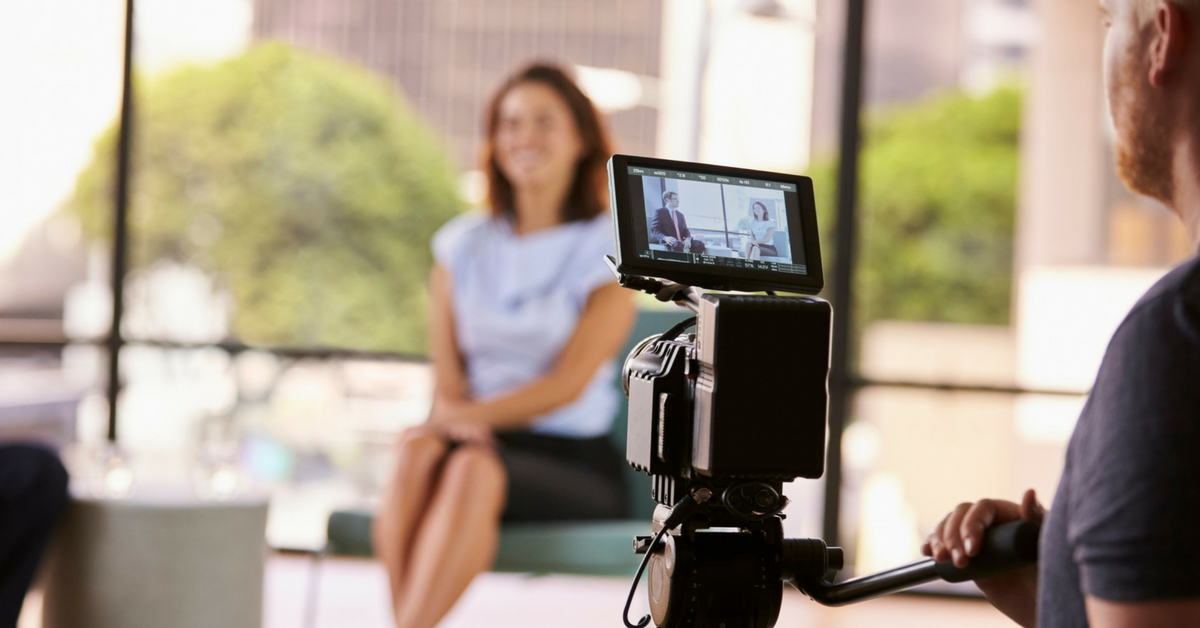
An interview video features a real person speaking on camera about their experience or expertise. This could be a team member, client, business owner, or subject-matter expert whose voice adds credibility and context to the story you’re telling.
The goal?
To share insights in a way that feels honest, human, and engaging. When done well, interview videos create moments of recognition and remembrance. With a quality interview video, the viewer should be doing more than listening; they should be connecting.
Unlike promotional videos that rely heavily on fast-paced visuals or scripted voiceovers, interview videos lean more into storytelling. They allow space for real emotion, thoughtful pauses, and different perspectives. By putting a face and voice to your message, you help audiences better understand your culture, trust your expertise, and remember what you stand for.
Whether you’re highlighting company culture, sharing a customer story, or breaking down a complex topic, interview videos add depth that polished marketing alone cannot.
Before jumping straight into production, it’s important to understand how to make an interview video that feels intentional from start to finish. Here are 10 tips to use to make your story feel natural, credible, and worth watching.
10 Tips for Making a Great Interview Video
1. Have a Clear Purpose
Every interview video should start with a clearly defined purpose. Before filming, identify what you want the audience to know, how you want them to feel, and what actions you want them to take. Understanding this will give you direction for the questions, visuals, and overall structure of the video.
Without a clear goal, interviews tend to collect information rather than tell a story. Defining your purpose before production will help you steer the conversation, listen for answers that support the message, and redirect when responses drift off course. This reduces over-editing later and results in a final video that’s focused, purposeful, and easier for viewers to follow.
2. Do Your Research
Research is essential when learning how to make an interview video, so take time to understand the topic, the interviewee’s background, and what your audience cares about most.
For example, if you’re interviewing a founder about the launch of their new product, researching the development timeline, early obstacles, and market challenges allows you to ask more specific questions. Instead of asking, “How did the launch go?” you can prompt stories about pivotal decisions, unexpected setbacks, or lessons learned during the process.
Strong research also helps the interview feel more natural. When you know your subject well, you can guide the conversation smoothly and follow interesting moments as they unfold, making the video more engaging and valuable to your viewers.
3. Prepare the Interviewee
Comfort on camera starts with preparation. When interviewees know what to expect, they’re able to relax, speak naturally, and show up confidently on screen. Set expectations ahead of time by giving them:
- The general topics or specific themes the interview will cover
- The interview format, including how long it will take and how it will be filmed
- Reassurance that the conversation will feel natural and that any mistakes can be edited out
- Encouragement to speak in their own words instead of memorizing answers
- An understanding of the goal and why it matters
When interviewees feel supported, their responses will seem more genuine. This comfort translates directly to the screen, building trust with your target audience and making your interview video feel real and approachable.
4. Choose the Right Location
The location you choose sets the tone for your entire interview video. A well-chosen setting enhances the story being told, reinforces your brand, and supports the overall mood while keeping the audience’s focus on the person being interviewed.
As you choose a location, pay close attention to lighting conditions, background elements, and potential distractions. Natural light, neutral backdrops, and minimal noise go a long way in elevating your final look. If selecting or preparing a location feels overwhelming, consider hiring a video production company to help you choose an environment that elevates the professionalism of your video.
5. Prioritize Lighting and Audio
Now that you’re prepared and you’ve got your location, it’s time to focus on lighting and audio. Even the most compelling story will lose impact if viewers struggle to see or hear the speaker. To combat this, invest in proper lighting and microphones.
For lighting, start with simple LED panel lights or softbox kits that provide even, flattering illumination without harsh shadows. Ring lights can work well for tighter setups or smaller spaces, particularly for seated interviews, as long as they’re positioned thoughtfully and aren’t the sole light source.
When it comes to audio, lavalier microphones are a popular choice for interviews because they clip directly onto clothing and capture clean sound, while shotgun microphones are useful when you want audio captured from outside the frame.
Together, these technical details support clarity and credibility, making your interview video easier to watch and more captivating for your audience.
6. Ask Open-Ended Questions
Have you thought about the questions you’re going to ask? Instead of prompting short answers, ask questions that invite storytelling and reflection. This creates space for the interviewee to expand on their experiences instead of feeling boxed into quick replies.
Here are five open-ended questions to start with:
- What led you to this role or experience, and what has surprised you most along the way?
- Can you share a moment that truly shaped how you approach your work today?
- What challenges did you face early on, and how did you work through them?
- How has this experience changed your perspective or goals moving forward?
- What do you hope people understand after hearing your story?
You’ll notice that these types of questions encourage longer, more thoughtful responses. They also give you greater flexibility during the editing process, making it easier to pull strong sound bites and shape a clear narrative.
7. Keep the Conversation Natural
Great interview videos are most effective when they feel like real conversations, so allow room for follow-up questions and unscripted moments. This helps the discussion evolve naturally, creating an easy back-and-forth that encourages the interviewee to talk more.
It also means you might have to get used to silence, reflection, or even slight tangents. These pauses often signal that the interviewee is thinking, remembering, or choosing their words carefully. Those moments give your editors richer material and help the audience connect deeply with what’s being said. Allowing the conversation to breathe is what makes an interview video feel truly human.
8. Capture Supporting B-Roll
Once you’ve completed your interview, you’re ready to incorporate B-roll. B-roll refers to the supplemental footage used to support what’s being said on camera visually. This can include shots of the interviewee’s environment, them in action, close-up details, or anything that adds context to the conversation.
B-roll footage will add visual interest and make your video feel more complete by giving viewers something to experience alongside the dialogue. It visually grounds the story, turning spoken moments into something viewers can really connect with.
It also provides valuable flexibility during editing, allowing you to cut between visuals without interrupting the audio flow. Thoughtfully captured B-roll plays a major role in making an interview video appear polished, dynamic, and engaging from start to finish.
9. Edit with Intention
Editing is where the interview finally comes together. This is where you’ll focus on clarity, pacing, and emotional impact. Here, think about how you can use edits to help maintain your audience’s attention and keep your message clear and focused.
For example, in post-production, you might trim responses to focus on the strongest moments, remove unnecessary pauses, and tighten pacing. Editors may also weave in B-roll you took to support what’s being said and keep the visuals interesting. You can even include subtle music or clean transitions to help shape the tone while keeping the focus on the story.
Intentional editing ensures the final video aligns with its original purpose, resulting in a cohesive, intentional interview.
10. End with a Clear Takeaway
If viewers only remember one thing, what should it be?
Every interview video should leave the audience with a clear takeaway. Whether it’s an insight, a lesson, or a call to action, the ending should make the video feel complete.
Know this: viewers are far more likely to remember content that ends with clarity. A strong final moment reinforces your message, gives the story a sense of closure, and guides the audience toward what comes next. If you want your video to deliver real impact, make the takeaway clear and leave your viewers with something that sticks.
Conclusion
A strong interview video is built on preparation, purpose, and authenticity. Understanding how to create an interview video that feels meaningful allows your brand to connect with audiences in a powerful, seamless way.
At Bottle Rocket Media, we use strategy, creativity, and technical expertise to help brands tell real stories through video. We cover everything from planning to video production to video marketing to deliver quality interview videos made for your audience.
If you’re ready to create an interview video that feels real, compelling, and aligned with your message, connect with us to start your project.